


Materials library

Every material, with evidence.

A working library of the sustainable packaging materials we specify daily — FSC kraft, home-compostable PLA/PBAT film, recycled mono-PE, sugarcane bagasse, PHA bioplastic and aluminium-free barrier films. Each entry covers what the material is, what it's best for, key specs and certifications, and end-of-life pathway.

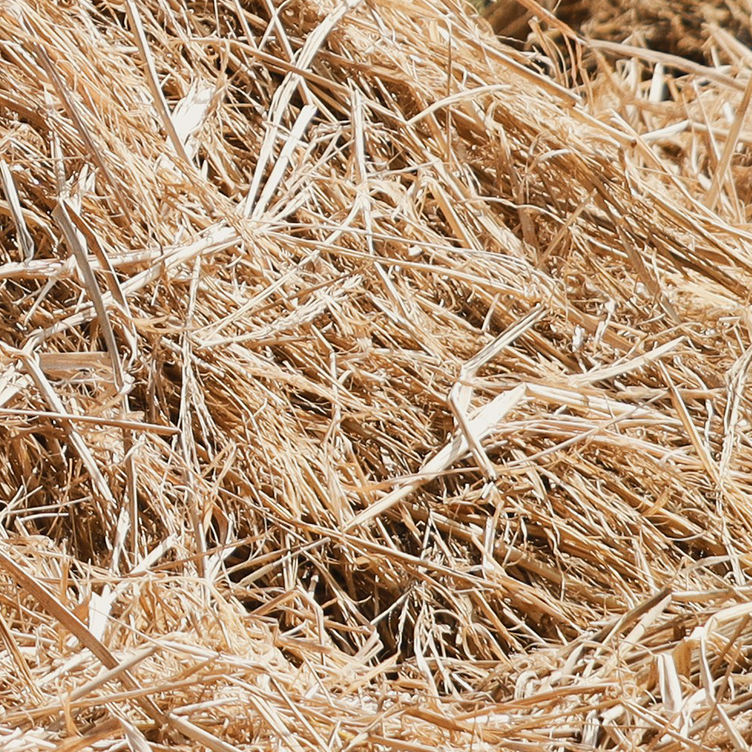
FSC Kraft Paper sustainable packaging material

Recyclable & renewable

FSC Kraft Paper

Renewable, biodegradable kraft paper with high-barrier inner layers for food contact.

Home-Compostable Film (PLA / PBAT) sustainable packaging material

TÜV OK Compost Home

Home-Compostable Film (PLA / PBAT)

PLA/PBAT structures certified to break down in a home compost bin.

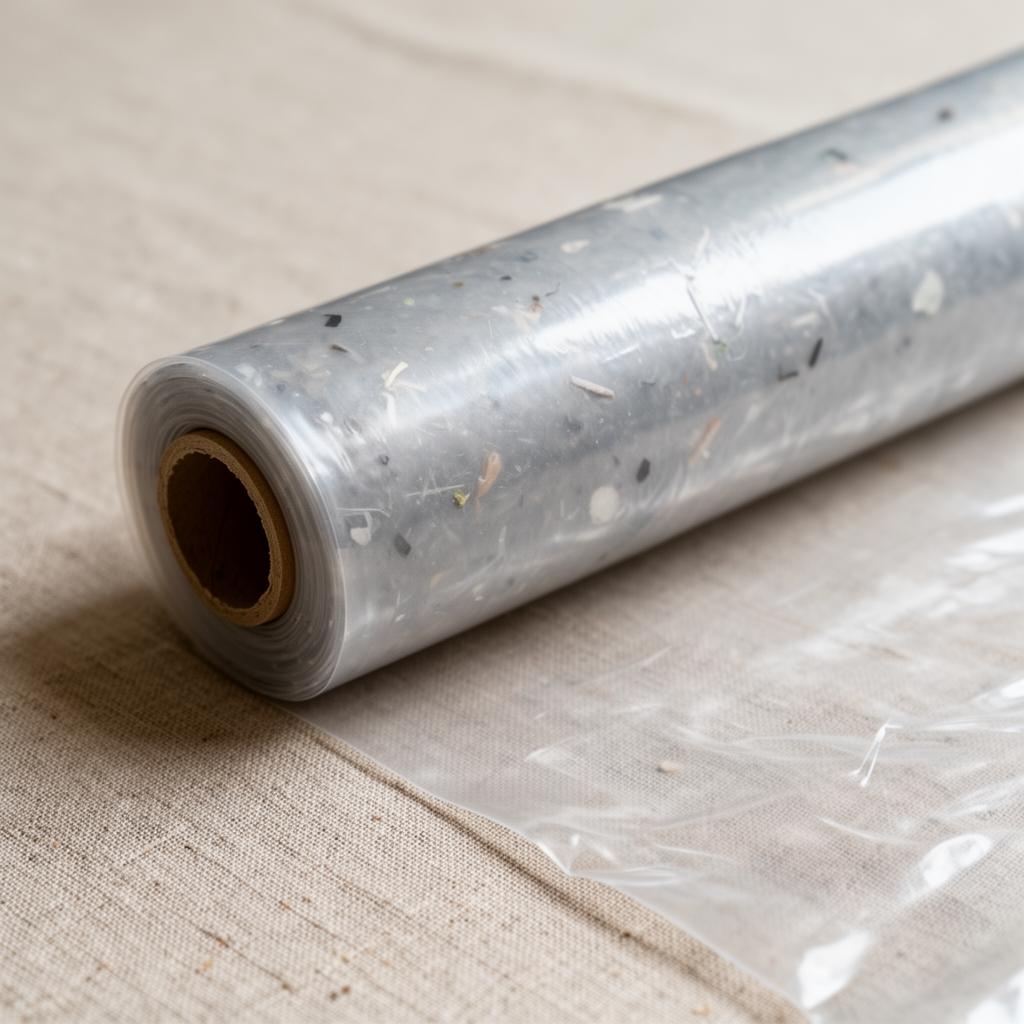
Recycled Mono-PE sustainable packaging material

Kerbside recyclable

Recycled Mono-PE

Up to 70% post-consumer content. Single-polymer for true circularity.

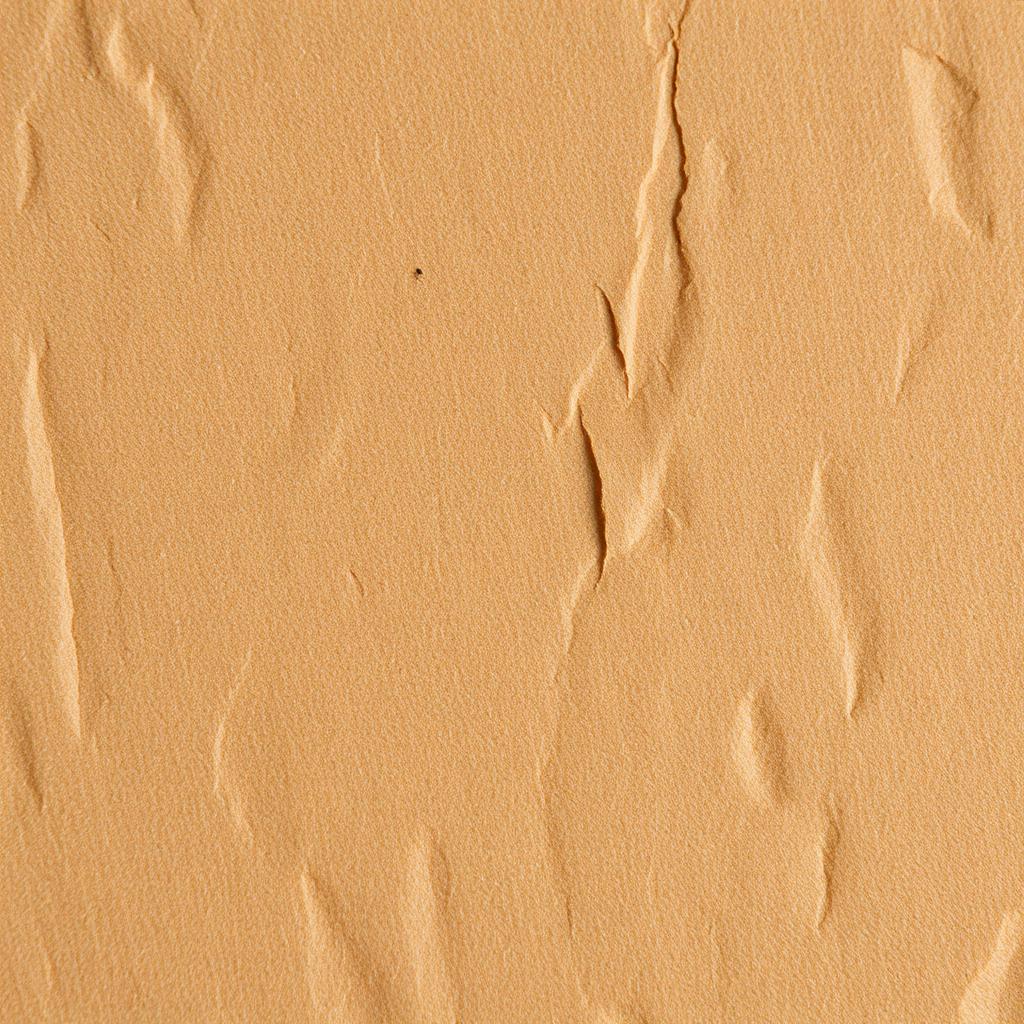
Sugarcane Bagasse sustainable packaging material

Renewable & tree-free

Sugarcane Bagasse

Tree-free fibre from sugarcane waste. Premium tactile finish.

PHA Bioplastic sustainable packaging material

Marine-biodegradable

PHA Bioplastic

Next-generation polymer that breaks down in soil and seawater.

Aluminium-Free Barrier Film sustainable packaging material

Metal-free & recyclable

Aluminium-Free Barrier Film

Metallised PET-free films with shelf life and no recycling drawbacks.

FSC Kraft Paper — Recyclable & renewable

Recyclable & renewable

FSC Kraft Paper

FSC-certified kraft paper is the workhorse of plastic-free packaging. Made from responsibly managed forests, it delivers a natural tactile finish, full-bleed printability and kerbside recyclability across virtually every municipal stream worldwide. Paired with PFAS-free dispersion barriers, kraft handles grease, moisture and direct food contact without compromising recoverability.

Best for

  • Bakery, deli and takeaway bags
  • Coffee and tea pouches with kraft outer
  • Mailer bags and shipping cartons
  • Wraps, sleeves, labels and gift packaging

Certifications

  • FSC Mix / FSC Recycled
  • PEFC
  • FDA 21 CFR & EU 10/2011 (food-contact grades)
  • BRC and ISO 22000 supply chains

Key specs

Weight range
60–300 gsm
Sources
Virgin FSC and 100% recycled options
Print methods
Flexo, offset, digital, foil stamping, deboss
Barrier options
PFAS-free dispersion grease and moisture coatings

End of life

Kerbside paper recycling worldwide. Uncoated grades are home-compostable (TÜV OK Compost Home where certified).

What to watch

  • Kraft darkens print colours by 15–25% — always proof on stock before approving artwork.
  • Choose dispersion-coated barriers over PE or wax lamination to keep the structure recyclable.
  • Specify FSC Mix or Recycled to anchor your sustainability claims with a chain-of-custody certificate.
Home-Compostable Film (PLA / PBAT) — TÜV OK Compost Home

TÜV OK Compost Home

Home-Compostable Film (PLA / PBAT)

Home-compostable films combine PLA (polylactic acid, derived from plant sugars) with PBAT (a flexible co-polymer) to deliver the seal strength and clarity of conventional plastic — but with full breakdown in a backyard compost bin within 6–12 months. Certified to TÜV OK Compost Home, these films are the gold standard for short-shelf-life food, fresh produce and ecommerce mailers from circular brands.

Best for

  • Compostable mailer bags for DTC and subscription
  • Fresh produce, bakery and short-shelf-life food
  • Bin liners, courier satchels and apparel polybags
  • Window patches in paper bags and cartons

Certifications

  • TÜV OK Compost Home
  • TÜV OK Compost Industrial (EN 13432)
  • BPI (USA)
  • Seedling logo (EU)

Key specs

Thickness
20–80 microns
Feedstock
PLA from corn or sugarcane + PBAT
Shelf life
9–12 months from production (sealed)
Print
Flexo with water-based or compostable inks

End of life

Home compost or industrial composting. Not suitable for kerbside plastic recycling — clear disposal icons are essential.

What to watch

  • Compostable films are 20–30% weaker than LDPE — right-size the gauge to the product weight.
  • Avoid mixing with petroleum-based plastics in the same pack — it breaks the compostability claim.
  • Print clear end-of-life messaging to prevent contamination of recycling streams.
Recycled Mono-PE — Kerbside recyclable

Kerbside recyclable

Recycled Mono-PE

Mono-material polyethylene (mono-PE) is the recycling industry's preferred flexible plastic. By eliminating the mixed-laminate layers (PET/Al/PE) that have historically made pouches unrecyclable, mono-PE is accepted at store drop-off and an increasing number of kerbside programmes. With up to 70% post-consumer recycled (PCR) content, it cuts virgin fossil plastic without sacrificing barrier, seal strength or print quality.

Best for

  • Coffee, snack and pet-food stand-up pouches
  • Refill packs and concentrated cleaning formats
  • Heavy-duty mailer bags and shipping sacks
  • High-barrier laminates for dry foods and powders

Certifications

  • How2Recycle Store Drop-Off
  • RecyClass approved
  • ISCC PLUS (PCR mass balance)
  • FDA / EU 10/2011 food contact

Key specs

PCR content
30%, 50%, 70% post-consumer options
OTR
Down to 1 cc/m²/day with EVOH or SiOx coating
Thickness
60–150 microns typical
Compatibility
Works on existing VFFS and HFFS lines

End of life

Store drop-off plastic-bag recycling; kerbside flexible recycling where available.

What to watch

  • Specify EVOH or SiOx barrier (not aluminium) to maintain mono-material recyclability.
  • PCR content can shift colour slightly batch-to-batch — approve a tolerance range with your printer.
  • Confirm recyclability claims against the destination market's scheme (How2Recycle, RecyClass, OPRL).
Sugarcane Bagasse — Renewable & tree-free

Renewable & tree-free

Sugarcane Bagasse

Bagasse is the fibrous residue left after sugarcane is crushed for juice — a true agricultural by-product that would otherwise be burned. Moulded into trays, clamshells, plates, bowls and rigid tubes, bagasse offers the rigidity and heat tolerance of paperboard with a distinctive natural texture. It is tree-free, rapidly renewable and both home and industrially compostable.

Best for

  • Foodservice plates, bowls, clamshells and trays
  • Ready-meal and meal-kit containers
  • Cosmetic and skincare moulded inserts
  • Rigid tubes and lids as a paperboard alternative

Certifications

  • BPI Compostable
  • TÜV OK Compost Home (selected SKUs)
  • FDA / EU food contact
  • PFAS-free certification

Key specs

Heat tolerance
Up to 100°C (microwave and freezer safe)
Moulding
Wet-press or dry-press into custom 3D forms
Feedstock
100% sugarcane bagasse, often blended with bamboo
Finishes
Natural, bleached, embossed, printed

End of life

Home compost (60–90 days) or industrial compost. Some kerbside organics streams accept bagasse.

What to watch

  • Confirm PFAS-free certification — older bagasse used PFAS for grease resistance.
  • Tooling investment is required for custom 3D shapes — plan for 6–8 week lead times.
  • Natural colour varies by harvest — communicate this as a feature, not a defect.
PHA Bioplastic — Marine-biodegradable

Marine-biodegradable

PHA Bioplastic

Polyhydroxyalkanoates (PHA) are biopolymers produced by microbial fermentation of plant sugars or waste oils. Unlike PLA, PHA biodegrades not only in industrial compost but also in soil, freshwater and marine environments — making it the only mainstream bioplastic certified for marine biodegradation. PHA is the leading-edge choice for brands targeting closed-loop circularity in regions without composting infrastructure.

Best for

  • Single-serve sachets and condiment packs
  • Coffee capsules and tea bag fibres
  • Cosmetic and personal-care primary packaging
  • Coastal-region foodservice items

Certifications

  • TÜV OK Biodegradable MARINE
  • TÜV OK Biodegradable SOIL
  • TÜV OK Compost Home & Industrial
  • USDA BioPreferred

Key specs

Biodegradation
Soil, freshwater and marine certified
Feedstock
Canola oil, sugar or food-waste fermentation
Form factors
Films, rigid moulded parts, fibres, coatings
Heat tolerance
Up to 130°C (depending on grade)

End of life

Home compost, soil, freshwater and marine biodegradation. Not suitable for plastic recycling.

What to watch

  • PHA carries a 2–4× cost premium over PLA — prioritise high-impact, hard-to-recover SKUs.
  • Limited global supply — secure capacity early for large launches.
  • Marine biodegradation is a recovery pathway, not a licence to litter — communicate responsibly.
Aluminium-Free Barrier Film — Metal-free & recyclable

Metal-free & recyclable

Aluminium-Free Barrier Film

Conventional high-barrier pouches use a layer of aluminium foil or metallised PET — both of which contaminate plastic recycling and add embodied carbon. Aluminium-free barrier films use vapour-deposited silicon oxide (SiOx), aluminium oxide (AlOx) or EVOH inside a mono-material PE or PP structure, delivering the same oxygen and moisture protection while remaining flexible-plastic recyclable.

Best for

  • Premium coffee, tea and chocolate pouches
  • Powdered nutrition, infant formula and supplements
  • Pet food and treats
  • Pharma blister overwraps and medical packaging

Certifications

  • RecyClass approved (mono-material)
  • How2Recycle Store Drop-Off
  • FDA / EU food contact
  • EU PPWR-aligned

Key specs

OTR
<1 cc/m²/day (SiOx and AlOx grades)
WVTR
<1 g/m²/day
Structure
Mono-PE or mono-PP with transparent oxide barrier
Optics
Transparent or matte options — no foil look-through

End of life

Flexible plastic recycling (store drop-off or kerbside where available).

What to watch

  • SiOx and AlOx coatings are sensitive to flex-cracking — design seal areas to minimise creasing.
  • Confirm OTR/WVTR against your shelf-life model — barriers vary by supplier and run.
  • Brief your printer on transparent barriers — back-printing strategies differ from foil laminates.

Not sure which material fits?

Send us your product, fill weight, target shelf life and the markets you ship to. We'll spec a structure, certifications and a matching end-of-life pathway.