Materials · 8 min read · May 2026
Compostable vs. Recyclable Packaging: Which Fits Your Brand?
A practical guide for consumer brands choosing between compostable and recyclable packaging — certifications, end-of-life, costs and shelf impact.
Compostable and recyclable packaging both promise a lower-impact future, but they solve different problems. Choosing the wrong one can confuse customers, contaminate waste streams and inflate your unit economics. Here is how to decide.
What 'compostable' actually means
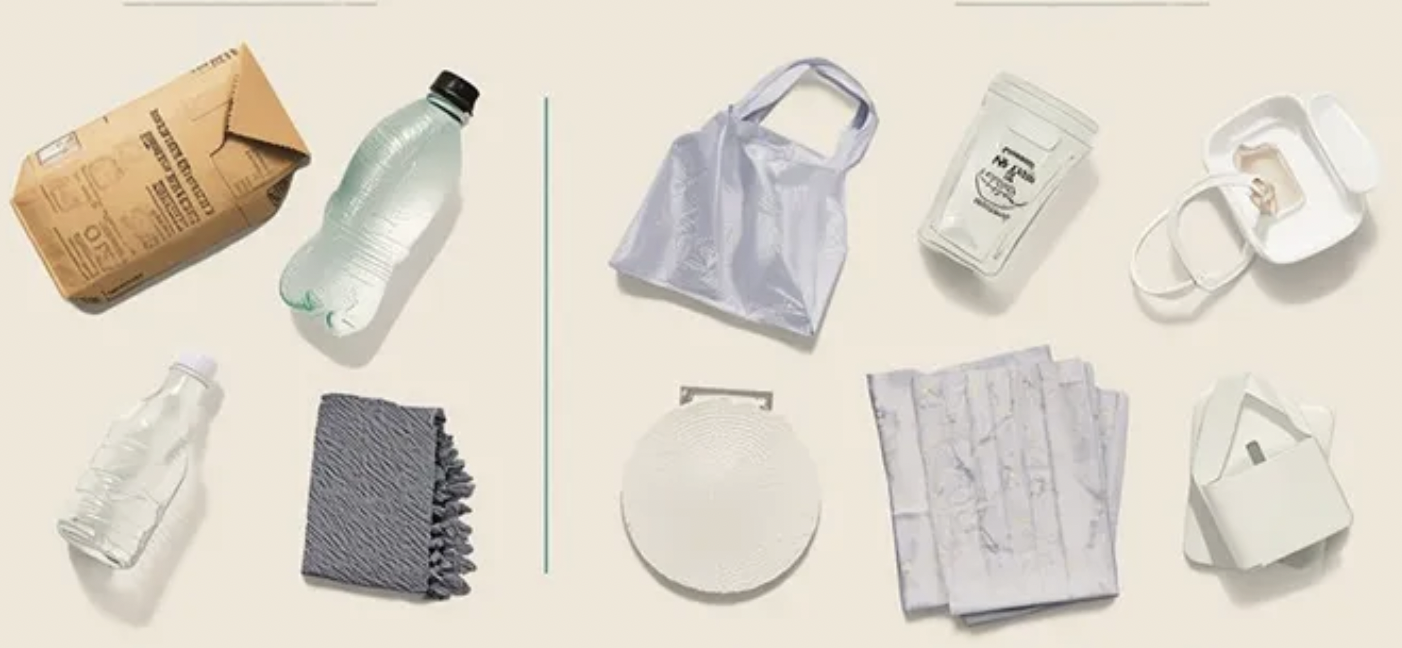
Certified compostable packaging breaks down into water, CO₂ and biomass within a defined window — typically 180 days in industrial composting or 12 months at home (TÜV OK Compost Home / AS 5810).
Look for verified marks: BPI (US), TÜV Austria, DIN-Geprüft or the Australasian Bioplastics Association seedling logo. 'Bio-based' alone is not the same as compostable.
What 'recyclable' actually means
Recyclable packaging is engineered to re-enter the materials economy: mono-material PE pouches, recycled PET bottles, FSC-certified paperboard or aluminium.
Recyclability depends on local infrastructure. A pouch may be technically recyclable but rejected by your customer's curbside program. Always pair the claim with the disposal pathway (e.g. 'Store drop-off · How2Recycle').
Choosing for your product
Compostable wins when packaging contains residual food (coffee grounds, tea, snack crumbs) and your customers have access to organics collection.
Recyclable mono-materials win at scale, on dry goods, when your retail partners require store-drop-off compliance, or when LCA modelling shows lower lifetime carbon.